
How to Protect Your Car in Dubai's Changing Weather: Heat, Rain and Humidity
Dubai's changing weather can expose vehicles to intense heat, dust, occasional heavy rain and humidity. Whether you drive every day or leave your vehicle parked for weeks, understanding these conditions can help protect your car's exterior, interior and essential mechanical components.
How Does Dubai's Weather Affect Your Car?
Dubai's climate presents different challenges throughout the year. Prolonged heat and direct sunlight can accelerate the deterioration of tyres, batteries, paint protection and interior materials. Dust can accumulate on exterior surfaces, while rain can create slippery roads, standing water and moisture concerns.
Humidity is another consideration, particularly when a vehicle is stored in an enclosed space without suitable environmental management. The effects depend on the vehicle's condition, the duration of storage and the environment in which it is kept.
If you plan to leave your vehicle unused, explore car storage in Dubai and prepare the vehicle according to its manufacturer's instructions.
Important safety advice: Never drive through floodwater when its depth or road condition is uncertain. If water has entered your vehicle or the engine may have ingested water, arrange a professional assessment before attempting to restart it.
1. Protect Your Car from Extreme Heat
High temperatures can put additional stress on batteries, tyres, cooling systems and cabin materials. Routine inspections can help identify problems before they become more serious.
Check the Battery
Inspect the battery condition and terminals. If starting becomes slow or warning messages appear, arrange a battery test. Vehicles left unused for long periods may need a manufacturer-approved battery maintenance solution.
Inspect Your Tyres
Check tyre pressure when the tyres are cold and inspect the sidewalls for cracks, bulges or damage. Follow the pressure recommended by your vehicle manufacturer.
Monitor the Cooling System
Pay attention to rising engine temperature, coolant warnings and visible leaks. Never open a hot cooling system. Have overheating issues diagnosed before continuing to drive.
Care for the Interior
Use suitable sunshades and park in shaded or covered areas where possible. Clean and protect interior materials with products recommended for your vehicle's trim.
2. Prepare Your Vehicle for Rainy Weather
Rain can arrive after long dry periods, and roads may become slippery when dust and oil residues mix with water. Heavy rainfall can also cause water to collect in low-lying areas. Check your vehicle before conditions change and avoid unnecessary risks during severe weather.
- Inspect windscreen wipers and replace worn blades.
- Check headlights, brake lights and indicators.
- Make sure tyres have suitable tread and correct pressure.
- Inspect visible door and boot seals for deterioration.
- Check drainage areas if this can be done safely.
- Avoid driving through standing or flowing floodwater.
If your vehicle has been exposed to floodwater, do not assume it is safe simply because the cabin appears dry. Water can affect electrical connectors, lubricants, brakes and other components. A qualified inspection is the safer option.
3. Manage Humidity and Moisture
Humidity can contribute to condensation and musty smells when moisture becomes trapped inside a vehicle. The risk varies with the storage environment, ventilation, temperature changes and the condition of door and window seals.
- Remove wet clothing, damp floor mats and other moisture sources.
- Dry the interior properly before leaving the vehicle unused.
- Investigate persistent window fogging, damp carpets or musty smells.
- Use suitable moisture-control products according to their instructions.
- Ask about humidity management when comparing storage facilities.
Climate-controlled storage may be useful for vehicles that need more stable environmental conditions. However, not all indoor facilities provide the same level of temperature or humidity control. Confirm the actual conditions with the provider.
Learn more about climate-controlled car storage in Dubai if you plan to store a luxury, classic or rarely driven vehicle.
4. Keep Dust and Sand Away from Your Vehicle
Dust and sand can collect on paintwork, glass, trim and around seals. Wiping a dusty vehicle with a dry cloth can cause fine scratches. Use suitable washing methods and clean microfiber materials to reduce the risk of damaging the finish.
If your car will remain parked for an extended period, clean it before storage and ensure it is fully dry. A suitable car cover can provide additional protection when designed for the storage environment and fitted according to the manufacturer's instructions.
Avoid covering a dirty or wet vehicle, as trapped particles and moisture can cause problems. For vehicles that are not used regularly, consider indoor car storage in Dubai to reduce exposure to outdoor dust and direct sunlight.
5. Is Indoor Car Storage a Good Choice in Dubai?
Indoor storage can help protect a vehicle from direct sun, airborne dust and rain exposure. It is particularly worth considering when you travel frequently, own a second car or need to keep a vehicle parked for several weeks or months.
Before choosing a facility, ask about security arrangements, access procedures, ventilation, temperature and humidity conditions, and whether inspections or battery maintenance are included. Confirm how the vehicle will be handled during drop-off and collection.
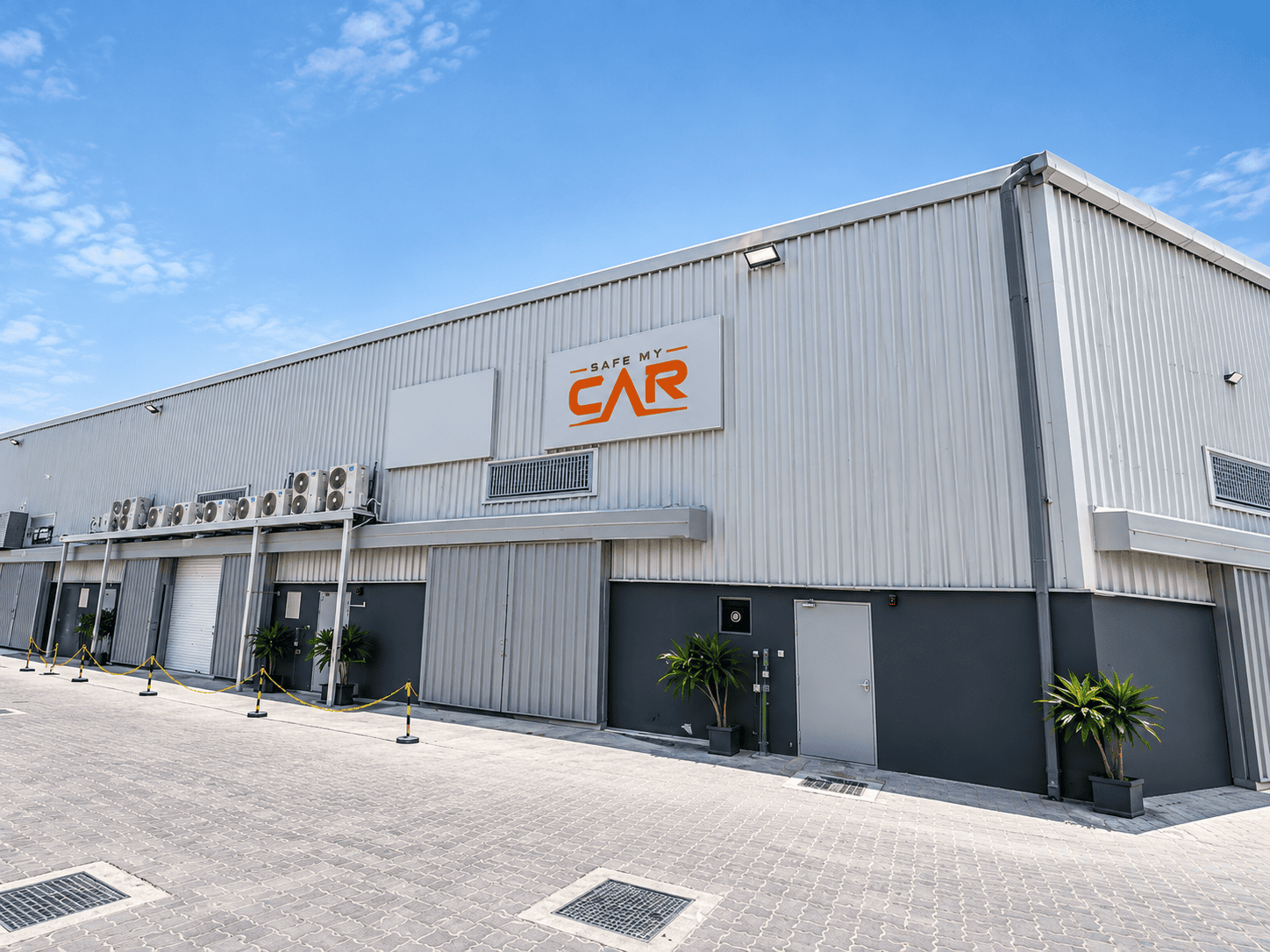
Safe My Car offers vehicle storage options in Dubai. Explore available car storage services to find an option that matches your vehicle and intended storage period.
6. Your Dubai Weather Protection Checklist
Before the next period of extreme heat, rain or extended parking, use this checklist to review the condition of your vehicle.
- Battery tested and maintenance needs addressed.
- Tyres inspected and pressure checked.
- Cooling system and fluid levels checked according to the manual.
- Wipers, lights and brakes inspected.
- Exterior cleaned and interior dried properly.
- Door and boot seals checked for visible damage.
- Suitable parking or storage arranged for long periods away.
- Manufacturer's instructions followed for extended storage.
Frequently Asked Questions
How can I protect my car from heat in Dubai?
Park in shade or suitable indoor parking where possible, maintain the battery and cooling system, check tyre condition and use appropriate interior protection products.
Does humidity damage cars in Dubai?
Persistent moisture and condensation can contribute to musty odours, material deterioration and corrosion in susceptible areas. Proper drying, maintenance and suitable storage conditions can reduce these risks.
Is indoor car storage better during rainy weather?
Indoor storage can reduce direct exposure to rain and some outdoor contaminants. The facility must also be appropriately managed, especially where water ingress or excess moisture is a concern.
Should I cover my car before storing it?
A suitable cover can help protect a clean, dry vehicle from dust. Choose a cover designed for the environment and follow its care instructions to avoid trapping moisture or scratching the paint.
Where can I find car storage in Dubai?
Contact Safe My Car to discuss available vehicle storage options, your expected storage duration and any specific requirements for your vehicle.
Looking for Car Storage in Dubai?
Whether you are travelling, keeping a second vehicle or protecting a special car, choosing suitable storage can help reduce exposure to Dubai's outdoor conditions. Contact Safe My Car to discuss your needs.
This article provides general vehicle-care information and is not a substitute for the vehicle manufacturer's instructions or a professional inspection. Weather conditions and storage requirements vary.